
Retail media · 8 min read
Amazon DSP Explained: Access, Audiences and Reporting
Amazon DSP is Amazon Ads' programmatic buying product, which Amazon says has evolved into Amazon Ads Agent. How it differs from sponsored ads, who can use it, what Amazon states about fees and minimums, and how reporting works.
By The Vexio team Published Updated
What is Amazon DSP?
Amazon DSP is Amazon Ads’ programmatic buying product for display, video, audio and streaming TV ads, and Amazon says it is available to advertisers whether or not they sell products on Amazon. A demand-side platform (DSP) buys ad inventory across multiple exchanges in real time and uses audience data to decide who sees each ad. It differs from Sponsored Products and Sponsored Brands, which are cost-per-click ads in Amazon’s shopping results.
One naming point first. Amazon’s DSP page, checked on 2026-10-14, says Amazon DSP has evolved into Amazon Ads Agent, an omnichannel ad platform, and that programmatic buying is reached through a campaign type called DVA+, with advanced settings giving the controls that were in Amazon DSP. Amazon’s help guides and API documents still use the name Amazon DSP, so this article does too and flags where the product is changing. For the wider market, see what retail media advertising is.
How a DSP buys ads
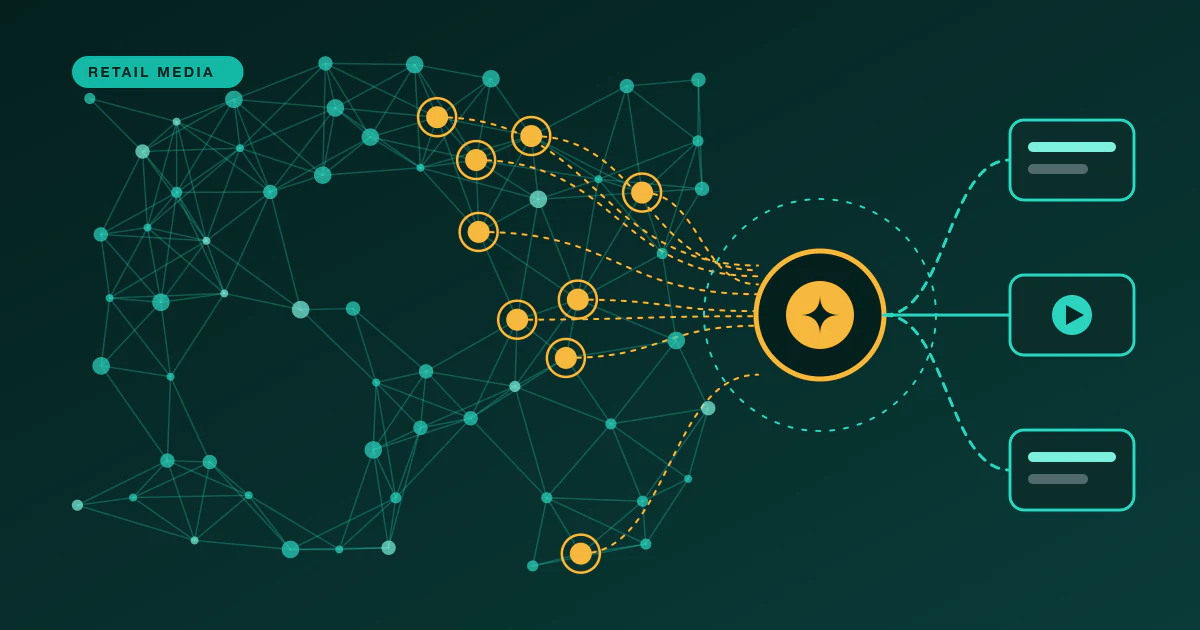
Amazon’s guide defines a DSP as a tool that lets advertisers buy digital ad inventory across multiple exchanges in real time. Instead of negotiating placements one by one, you set a budget, an audience, creative and bidding rules, and the platform bids on impressions as they become available.
Amazon says its DSP supports these buying methods:
- Real-time bidding (RTB): an auction for each impression.
- Private marketplaces (PMP): invitation-only auctions.
- Programmatic guaranteed: a fixed deal delivered through the platform.
- Fixed CPM deals: Amazon’s pricing guide describes these as pre-negotiable, guaranteed or non-guaranteed, with supply from Amazon-owned properties, third parties, or both.
Amazon DSP vs sponsored ads
| Item | Sponsored ads (Products, Brands) | Amazon DSP |
|---|---|---|
| Main purpose | Promote products you sell on Amazon | Reach audiences across Amazon and third-party inventory |
| Where ads appear | Shopping results and product detail pages | Amazon properties plus third-party sites and apps |
| Pricing basis | Cost per click; Sponsored Brands also offers viewable CPM | Media cost plus fees; CPM-based audience and deal pricing |
| Minimum spend | Amazon states none | See “Self-service or managed service” below |
| Typical metrics | Clicks, ACOS, ROAS | Reach, frequency, viewability, detail page view rate, new-to-brand |
Amazon’s guidance on getting started recommends sponsored ads if you are new to advertising, and points to display, video and audio ads for products you do not sell on Amazon. Amazon’s Sponsored Display page says that product is now called display ads, reached through Display, Video and Audio campaigns.
The two are complementary. Sponsored ads capture shoppers who are already searching. A DSP is more often used earlier in the funnel, for retargeting, or for brands not sold on Amazon. ACOS vs TACoS covers the sponsored-ads side of the metrics.
Where Amazon DSP ads run
Amazon describes DSP inventory as Amazon-owned properties, including Prime Video, Twitch, Thursday Night Football, Amazon.com and Fire TV, plus thousands of premium third-party sites and apps. Formats are display, video and audio, and Amazon’s pages also mention streaming TV. Which placements you can buy depends on your account, country and buying type, so check your console. Amazon’s page on the move to Amazon Ads Agent says advertisers keep the same inventory.
Audiences in Amazon DSP
Amazon says DSP targeting uses browsing, shopping and streaming signals to reach new and existing audiences. The options fall into a few groups:
- Amazon audiences, billed at published CPMs according to Amazon’s pricing guide.
- Third-party audiences, also billed at published CPMs.
- Audiences built from your own data, such as people who viewed your products. What you can use depends on your account and region.
- Custom audiences from Amazon Marketing Cloud (AMC). Amazon describes AMC as a cloud-based clean room built on AWS Clean Rooms, where advertisers analyze Amazon Ads signals with their own data, and says audiences built there can be activated.
Amazon says audience segments and signals carry forward in the move to Amazon Ads Agent.
Self-service or managed service
Amazon describes two service levels:
- Self-service: you run campaigns with full control. Amazon’s guide says there are no management fees for self-service customers.
- Managed service: Amazon Ads runs campaigns for you. The guide says managed service typically requires a minimum spend of USD 50,000, and that the minimum may vary per country.
Amazon’s DSP page says both models continue within DVA+. The pages checked on 2026-10-14 do not state a minimum for self-service, so ask Amazon Ads or check the console before planning a budget. Third-party sites quote other figures that Amazon’s pages do not support.
Agencies and tool providers can also operate DSP campaigns for you. Before you agree, ask who is the advertiser of record, who holds the data, and what happens to it if you leave.
What Amazon DSP costs
Amazon describes a cost-plus-fees model: media cost, plus a technology fee that is a percentage of media cost and is disclosed at campaign setup, plus optional fees for features such as audiences and omnichannel measurement, plus a separate percentage fee for managed service. Amazon’s DSP page says pricing carries forward unchanged and sends pricing questions to your Amazon Ads account executive. This article quotes no rates, because they vary by account.
Amazon DSP reporting and data access
Reporting is where DSP differs most from sponsored ads, and where data teams spend their time.
Console metrics. Amazon’s guide lists detail page view rate, add-to-list counts, new-to-brand metrics, reach, frequency and viewability. Eligible advertisers can use third-party measurement such as brand lift and offline sales lift studies.
Unified reporting. Amazon announced on 11 November 2025 a unified reporting experience, then in open beta, combining data across ad products, accounts and countries in a report builder, the Reporting API and Amazon Marketing Stream. That announcement gave these retention limits: hourly reporting back two weeks, daily or weekly back 15 months, and monthly, yearly or summary-grain reporting back up to six years. Beta status and coverage can change after an announcement, so confirm both in Amazon’s release notes before building on it.
DSP campaign APIs. On 9 January 2025 Amazon announced general availability of Amazon DSP campaign and creative management APIs. They let users create, read and update campaigns, ad groups, targets and creatives, with batch read endpoints for storing campaign data locally. Amazon says self-serve advertisers and technology providers with access to Amazon DSP can use them. Amazon Ads API reporting explained covers how Amazon’s reporting APIs behave in general.
Amazon Marketing Cloud. Amazon says AMC is available at no cost to eligible advertisers through a web interface and an API, that sponsored ads advertisers can self-serve, and that advertisers using DVA+ advanced settings request access from their Ad Tech account executive. Analysis runs inside Amazon’s environment, so plan how its outputs reach your own warehouse.
Planning DSP data for a warehouse
If you run DSP next to sponsored ads, other retail media networks and your own sales, you will want one reporting layer. Settle these early:
- Metric definitions. DSP reports emphasize reach and upper-funnel measures that sponsored reports lack, so a single “ROAS” column hides differences.
- History. Retention is finite. Schedule extracts and keep your own history if you need more.
- Access. Credentials, advertiser IDs and profiles differ by region and account type. Write them down.
- Restatements. Delivery and attribution data can change after the fact, so write loads that replace recent days. Idempotent ad reporting pipelines describes the approach.
- Joins. Spend and impressions only become useful against catalog, margin and sales data. Marketing ETL explained covers the building blocks.
Is Amazon DSP right for you?
It tends to fit when you want to reach audiences earlier in the funnel or beyond Amazon, you advertise a brand not sold on Amazon, you have the team or budget for programmatic buying, and you can judge outcomes beyond last-click sales.
It tends not to fit when the goal is to sell a handful of listings on Amazon at a target ACOS. Sponsored ads are built for that, with no minimum spend according to Amazon.
Getting DSP data into your warehouse
Vexio builds and operates advertising data pipelines as custom engagements, and a DSP source is scoped like any other: sources, definitions, schema, schedule, backfill rules and access. Read how Vexio approaches Amazon Ads work or request a demo to talk through your sources.
Sources
Checked on 2026-10-14.
- Amazon Ads, Amazon DSP: https://advertising.amazon.com/solutions/products/amazon-dsp (Amazon Ads Agent and DVA+ naming, inventory, eligibility, pricing continuity)
- Amazon Ads, What is a demand-side platform: https://advertising.amazon.com/library/guides/demand-side-platform (definition, buying methods, self-service and managed service, managed minimum, reporting metrics)
- Amazon Ads, Pricing transparency: https://advertising.amazon.com/library/guides/pricing-transparency (cost plus fees, technology fee, audience fees, fixed CPM deals)
- Amazon Ads, Understanding Amazon Ads: https://advertising.amazon.com/library/guides/basics-of-success-understanding-amazon-advertising (sponsored ads, no minimum spend)
- Amazon Ads, Sponsored ads: https://advertising.amazon.com/products/sponsored-ads (cost-per-click and viewable CPM billing)
- Amazon Ads, Sponsored Display: https://advertising.amazon.com/solutions/products/sponsored-display (now called display ads)
- Amazon Ads, unified reporting announcement, 11 November 2025: https://advertising.amazon.com/resources/whats-new/unboxed-2025-campaign-analysis-with-unified-reporting (open beta at announcement, retention limits)
- Amazon Ads, Amazon DSP campaign and creative APIs, 9 January 2025: https://advertising.amazon.com/resources/whats-new/amazon-dsp-campaign-and-creative-api-are-now-available (API scope and access)
- Amazon Ads, Amazon Marketing Cloud: https://advertising.amazon.com/solutions/products/amazon-marketing-cloud (clean room description, cost, access)